WAFCON and the architecture of neglect
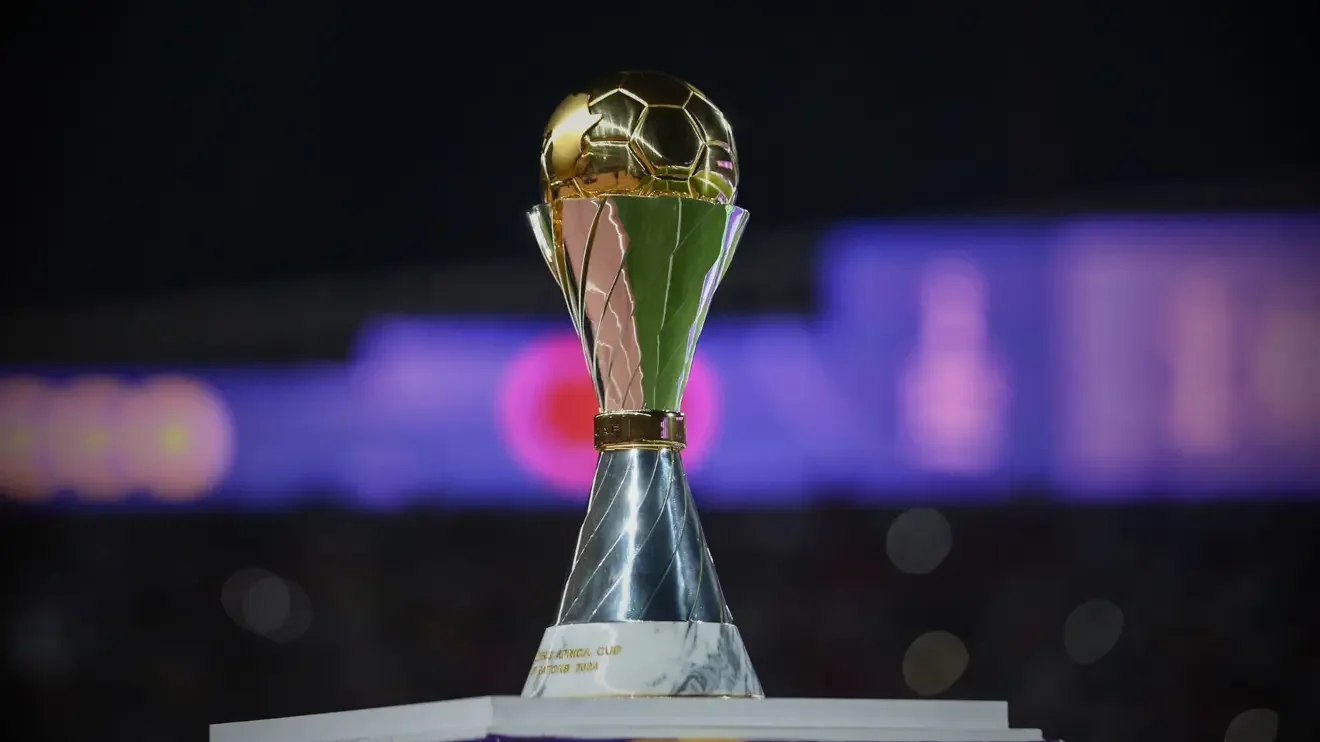
Source: CAF
"Certain unforeseen circumstances."
That's the phrase CAF used today to explain why WAFCON 2026 (originally scheduled to kick off on 17 March in Morocco), has been pushed back four months to 25 July – 16 August. No mention of the hosting chaos. No mention of the South Africa episode. No mention of the AFCON fallout. Just "certain unforeseen circumstances," as if none of us were watching.
We were watching. Here's what actually happened.
In October 2024, CAF confirmed Morocco as WAFCON hosts for a third consecutive time. Morocco then formally requested a delay, citing fixture congestion — their domestic league calendar overloaded by AFCON, CHAN, and the Arab Cup. Men's competitions, in other words, literally crowding the women's tournament off the calendar.
Then came the AFCON 2025 final. Morocco versus Senegal in Rabat on 18 January 2026. A match that descended into walk-offs, fan violence, ball boy interference, diplomatic fallout, and over $1 million in combined fines. Morocco tried to get the result overturned. CAF rejected the appeal. Weeks of discourse followed. And in the middle of that mess, Morocco's commitment to hosting WAFCON quietly started unravelling.
The official justification stayed as "fixture congestion." But the congestion was caused by Morocco hosting multiple men's CAF competitions, not women's ones. The timeline speaks for itself.
On 1 February, South Africa's Deputy Sports Minister Peace Mabe announced on national television that South Africa would host WAFCON 2026. Within 48 hours, South Africa's Sports Minister Gayton McKenzie publicly contradicted her, saying Morocco remained host. CAF said nothing. For almost two weeks, nobody in charge of African women's football could tell you where the tournament was being held.
On 13 February, CAF President Motsepe finally confirmed Morocco — but with language so conditional ("we still have an engagement with Morocco") that it raised more questions than it answered. He also stated the dates could not change because WAFCON sits on the World Cup qualification pathway.
Today, CAF changed the dates anyway.
WAFCON is the biggest women's football tournament in Africa. It determines who goes to the 2027 Women's World Cup in Brazil. And it is continuously treated like a moveable piece of furniture, something that can be shifted, shrunk, or sacrificed whenever something else needs the space.
This isn't a one-off. WAFCON 2024 was postponed a full year to avoid clashing with the Paris Olympics. Qualifiers ended in December 2023. The tournament didn't happen until July 2025, which is a 19-month gap. That edition's fixtures, dates, and locations were confirmed only five weeks before kickoff. The men's AFCON, by contrast, had tournament details locked nearly a year in advance. The 2020 edition was cancelled entirely during COVID with no rescheduling effort.
When the men's tournament needs a stadium, it gets one. When the women's tournament needs the same stadium, it waits.
Morocco is co-hosting the 2030 Men's World Cup. They can host a World Cup. They just can't find room for WAFCON. That gap tells you everything about where women's football sits in the governance hierarchy.
The July–August window creates its own problems. Players based at European clubs will be navigating pre-season schedules and potential club-versus-country conflicts that didn't exist with the March dates. NWSL players will be mid-season. For the 16 federations that were already deep into preparation for a March tournament, this is a complete reset — training camps replanned, budgets recalculated, player availability renegotiated. Some of these federations barely have the funding for one preparation window.
For the fans, particularly diaspora fans who were planning to travel, this is another round of uncertainty absorbed without complaint and without acknowledgement. You can't book flights and accommodation and time off work when you don't know if the tournament you're watching will still be happening where and when it was announced.
For sponsors and broadcasters, a tournament with this pattern of governance failures is a harder sell every cycle. The commercial argument for women's football still depends on credibility at every turn. Hosting crises, unpaid bonuses, last-minute rescheduling — these erode that credibility faster than any marketing campaign can rebuild it.
CAF's statement today was 67 words long. No explanation of what the "unforeseen circumstances" were. No acknowledgement of the weeks of confusion. No mention of the South Africa episode, the AFCON connection, or the impact on the 16 qualified teams. The official record now reads as if none of it happened.
The silence is the tell.
We keep landing on the same question: is women's football ready? But the question was always wrong. The governance that runs women's football, is it ready for the game it's supposed to serve?
WAFCON 2026 kicks off on 25 July. In Morocco. As far as anyone can tell.